



Student Suicide Prevention: How Schools Can Create a Support System
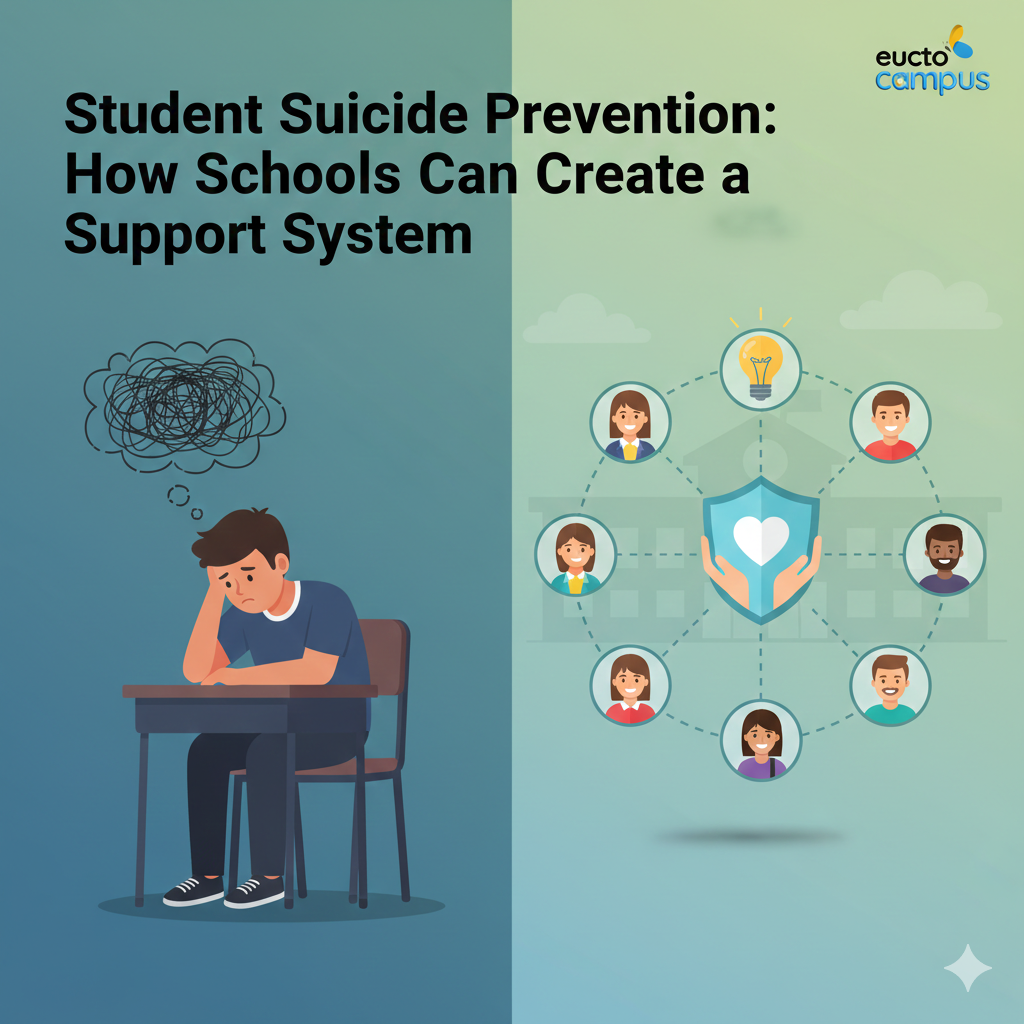
The mental health of our students is a silent priority. In 2026, we must face this reality with courage. Student suicide prevention is not just a policy. It is a daily commitment to every child’s life. Schools are the front lines of this vital mission. A safe school environment can be a true lifesaver. This blog outlines how to build that safety net. We will explore strategies, warning signs, and support tools. Together, we can turn despair into lasting hope. Let us build a culture where everyone feels seen.
Why Student Mental Health Needs School Support
Students spend half their waking lives at school. This makes schools the best place for early help. Student mental health support is as vital as grades. Academic pressure often hides deep personal struggles today. Without support, depression and anxiety in students can grow. Schools provide the consistent eyes needed for safety. A school counseling support system offers professional guidance. It bridges the gap between the classroom and home. Early support prevents small issues from becoming crises. Wellness is the true foundation of all learning success.
What Student Suicide Prevention Means in Schools
Prevention is a proactive, school-wide cultural shift. It means talking openly about a very difficult topic. Student suicide prevention involves training every single staff member. It is about reducing the stigma of seeking help. Suicide awareness in schools empowers students to speak up. It creates clear pathways for immediate crisis intervention. The goal is to move from reaction to prevention. A modern school is a protective factor for youth. It provides the “life promotion” students need to thrive. Safety is built into the very heart of education.
What Is the Role of School in Preventing Teen Suicide?
The school’s role is to identify and assist at risk. Teachers often see changes before parents do at home. How schools prevent suicide is through constant daily vigilance. They provide resources for help-seeking behaviors in kids. Schools must ensure access to effective mental health treatment. They promote social connectedness among all the diverse peers.
The role includes universal, selective, and intensive interventions. Universal programs build resilience for every single student. Intensive support focuses on those in high-risk groups. Schools act as a hub for community-based healing.
Common School-Related Causes That Increase Risk
School can be a source of significant daily stress. Bullying and social isolation are major risk factors. Severe academic pressure often leads to a “failure” fear. Depression and anxiety in students can stem from these. Discrimination against marginalized groups increases the risk. A lack of a safe school environment makes issues worse. Sudden changes in home life also impact school performance. Schools must recognize these environmental stressors very early. Reducing these triggers is the first step in safety. We must make the school a place of peace.
Early Warning Signs Teachers and Staff Should Notice
Recognition is the most powerful tool for a teacher. Warning signs of student suicide are often behavioral shifts. Look for a sudden drop in academic school performance. Notice if a student withdraws from their favorite friends. How teachers can help students is by watching closely. Watch for expressions of hopelessness in their creative writing. Extreme mood swings or increased anger are red flags. Giving away prized possessions is a very serious sign. Increased talk about death or “going away” needs action. Never ignore a “gut feeling” that something is wrong.
How Schools Can Create a Strong Support System
A strong system is a multi-layered digital and human web. Start by implementing mental health programs in schools. Establish a dedicated crisis response team for the campus. Ensure peer support for students is active and trained. Student suicide prevention needs a whole-school unified approach.
Create a physical “wellness room” for students in distress. Partner with local clinics for fast referral pathways today. Training should include janitors, bus drivers, and office staff. A strong system ensures no student walks alone.
How Can We Solve School Students’ Mental Health Crisis?
The crisis requires a move toward total digital transformation. Integrate social-emotional learning into the daily school curriculum. How schools prevent suicide is by teaching coping skills. Use technology to monitor for harmful digital search patterns. Provide anonymous tip lines for students to report risks. Mental health programs in schools must be well-funded. Address structural inequalities that cause student stress now. Increase the ratio of counselors to students in India. Solving the crisis is a long-term human investment. Collective action is the only way to heal.
What Are the 3 C’s of Suicide Prevention?
The 3 C’s guide a safe crisis response daily.
- Connection: Make the student feel understood and loved.
- Collaboration: Work with the student on a safety plan.
- Choice: Empower the student in their own recovery path. Student suicide prevention relies on these human principles. Connection removes the dangerous feeling of total isolation. Collaboration ensures the student is part of the solution. Choice restores a sense of control over their life. These steps turn a crisis into a healing process. They are the “golden rules” for every school counselor.
Role of Technology in Student Safety
Technology is a powerful “early warning” system for schools. Modern software can detect keywords related to self-harm online. Student suicide prevention benefits from these smart digital tools. It allows for 24/7 monitoring of school-issued digital devices.
Digital hall passes help track students in high-risk areas. AI features in school software identify at-risk behavior patterns. Technology bridges the gap when the school is closed. It provides a silent voice for those afraid to speak. Smart tech is a vital partner for every teacher. Data saves lives by enabling very fast interventions.
What Schools Should Do in a Crisis Situation
In a crisis, a school must remain very calm. Activate the school’s crisis response plan immediately today. How schools prevent suicide is by acting with precision. Secure the student and ensure they are never alone. Contact the parents and professional emergency services fast. Keep other students away from the immediate crisis area. Follow up with a detailed and compassionate safety plan. Post-intervention is vital to prevent any “contagion” effects. A crisis is a time for unity and care. Professionalism and empathy must work hand in hand.
Building a Long-Term Mental Health Program
A one-time seminar is not a real prevention program. Sustainability requires a permanent school counseling support system. Conduct annual mental health screenings for all the students. Keep suicide awareness in schools as a constant topic. Student suicide prevention must be part of the school’s DNA.
Regularly update training for the new staff members joining. Measure the effectiveness of your programs through private surveys. Long-term success is built on a very solid foundation. Mental health is a journey, not a final destination. Every school year is a new chance to save.
Strong Support Systems Save Lives
The goal of every school is to protect kids. Student suicide prevention is the ultimate form of protection. A safe school environment is a basic human right. Use school suicide prevention strategies to build a legacy. The role of teachers is to be a light. Better systems lead to much safer and happier students. Let us choose to act before a tragedy happens. Your school can be a place of total hope. Start your journey toward a supportive campus today. Stronger systems truly do save precious young lives.
FAQs
1. How can I talk to a student about suicide?
Ask directly and calmly if they are thinking about it. Listening without judgment is the most important part of helping.
2. Will talking about suicide put ideas in their head?
No, research shows that talking openly actually reduces the risk. It shows the student that someone finally understands their pain.
3. What is the most common warning sign to watch for?
A sudden and very deep change in their behavior. This includes withdrawal from friends and loss of all interest.
4. Who should be on the school’s crisis team?
The principal, counselors, nurses, and a local police liaison. It should be a multidisciplinary team for the campus.
5. How does a school handle the aftermath of a suicide?
Through “postvention” steps that include counseling and factual news. The goal is to support the grieving and prevent more.