



How can I track student performance automatically without doing it manually?
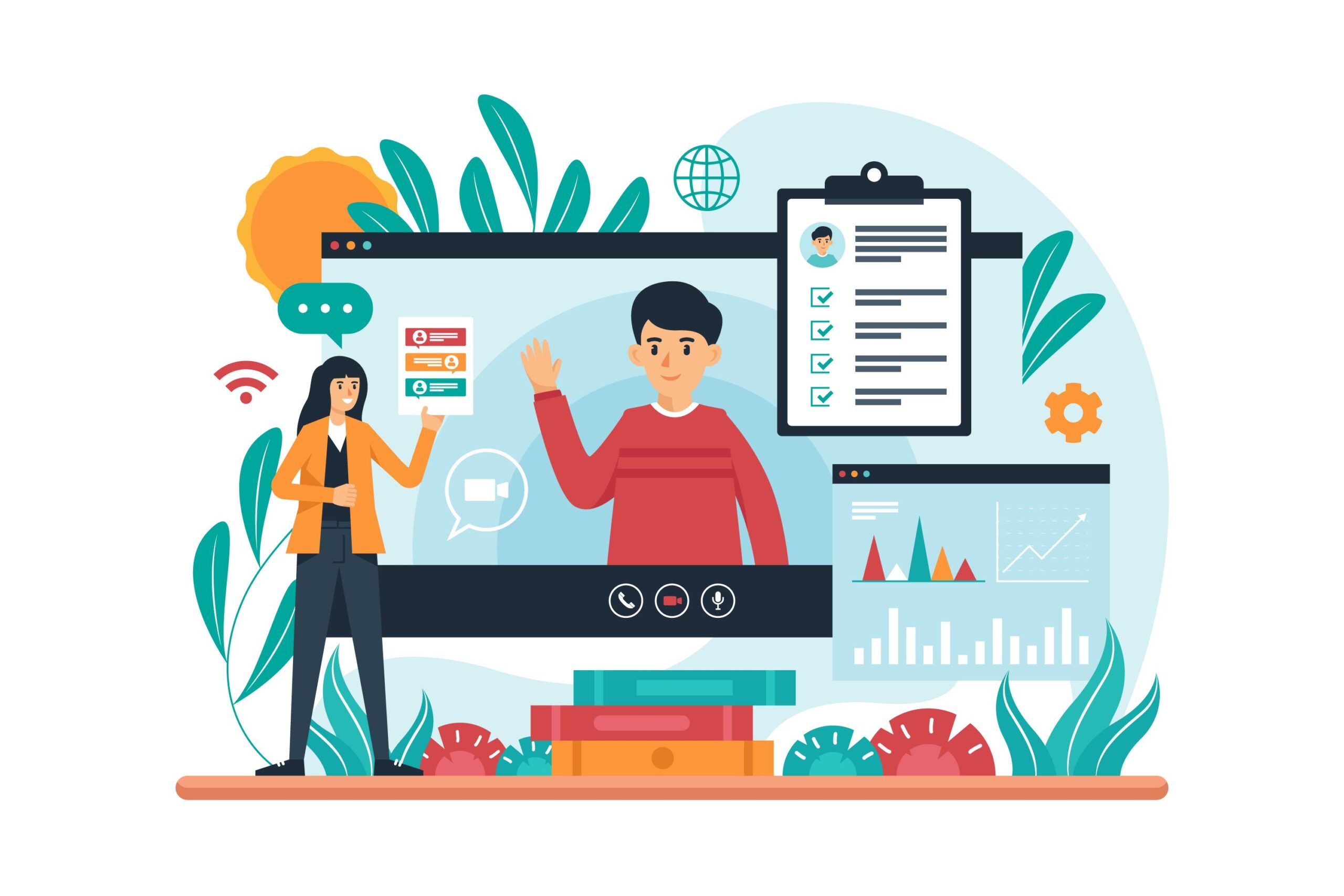
Teachers face huge demands daily. Grading and reporting take up much time. Manual tracking is often inaccurate. It takes hours away from teaching. Imagine a simpler, faster way, and having instant insights. We can use technology to help us. The solution is Automated student performance tracking. This system handles all the data work and frees teachers for their main task. The main task is supporting students. This post explores these powerful tools and shows how automation changes the classroom.
Why Manual Tracking Wastes Time
Think about your traditional methods. You enter scores into a spreadsheet and manually calculate averages and compile reports one by one. This process is highly tedious and invites human error. Relying on manual tracking systems increases errors and consumes valuable time. A misplaced number changes a grade. It takes hours away from planning lessons and reduces the time for student support. Manual tracking creates a delay. Students often wait longer for feedback. This method is simply inefficient today and hinders teacher productivity tools.
What Is Automated Student Performance Tracking?
This system uses smart technology. It captures student data automatically, processes and analyzes the information, and turns raw scores into clear reports. This happens as students complete work and use digital performance tracking tools. Learning Management Systems are key here. School administration software helps create an automated grade tracking system. This system gives real-time academic performance tracking and provides a clear picture of progress.
Benefits of an Automated Performance Tracking System
Automation offers many clear advantages. It transforms how schools operate daily.
Saves Significant Time
The system does all the calculations. It generates reports in seconds flat. Teachers gain back valuable hours and boost teacher productivity tools.
Improves Data Accuracy
Computers do not make simple errors. Grades and reports are highly accurate. This eliminates stressful manual checks. Trust in the data increases significantly.
Provides Instant Insights
Teachers see struggling areas directly. They spot a weak concept and can adjust lessons right away. This real-time academic performance tracking is vital.
Supports Personalization
Data highlights individual needs clearly. Teachers can group students effectively. They tailor lessons based on results and support personalized learning strategies well.
How to Continuously Monitor Student Progress?
Continuous monitoring is very important. It replaces stressful, high-stakes exams and gives a full learning history.
Use Formative Assessments
Short quizzes check understanding daily. Exit tickets gather quick feedback. These small checks feed the system. They provide a steady data stream.
Track Participation Daily
The system logs class participation scores. It records effort and engagement levels. This data gives context to grades and paints a broader picture of performance.
Implement Student Progress Monitoring System
This system tracks skills acquisition over time. It measures growth toward learning goals and identifies those needing intervention early. This proactive approach is a core function of school analytics software.
How Do You Measure Student Performance?
Measurement is more than just test scores. A holistic view is much better.
Grades and Test Scores
These are the foundations of tracking. The automated grade tracking system compiles them. It calculates averages and trends effortlessly, and the simplest quantitative data.
Skill Mastery Levels
The system tracks specific skills mastery. Did the student master the concept? It is tracked, yes or no, simply. This is better than just a number grade and shows exactly what they can do.
Behavioral and Effort Data
System notes record classroom effort. They log positive or negative behavior. This qualitative data is very useful and gives depth to student performance reports.
What Are Self-Monitoring Techniques for Students?
Students can track their own learning. This promotes self-awareness and ownership. Automation supports this effort.
Access to Personal Dashboards
Students log into their own accounts. They see their current grades, view feedback on recent work, and transparency promotes accountability.
Goal Setting Tools
The system lets students set goals. They track their progress toward goals, see their improvement visualized well, and it is a great way to use classroom performance monitoring.
Reflective Journaling Prompts
The digital tool provides journal prompts. Students reflect on their learning journey. They identify their own weak spots and enhance their meta-cognition skills.
What Tools Are Used for Progress Monitoring?
Many digital performance tracking tools exist. They offer varied features and depths. Leadership gains clarity through a unified school performance dashboard.
Learning Management Systems (LMS)
These are platforms like Canvas or Moodle. They grade quizzes automatically now, organize all assignment data well, and generate basic performance reports quickly.
School Analytics Software
Tools like PowerSchool analyze data. They pull data from various sources, identify school-wide trends, and create powerful visual dashboards. This gives great data-driven student evaluation.
Assessment Platforms
These tools focus on testing only. They use machine scoring for efficiency, provide immediate feedback to students, and feed data to the main tracking system.
How to Keep a Record of Students’ Progress?
Automated student performance tracking ensures records are permanent. Data security is paramount.
Centralized Data Storage
All data lives in one secure place. This is usually the school ERP performance tracking, and it now offers strong security protocols. Access is controlled by user roles strictly.
Long-Term Archiving
Records are kept for many years. This helps track long-term growth trends and supports future academic advising greatly. Paper records cannot match this security.
Generating Student Performance Reports
The system produces standardized reports. These reports are clear and understandable. They are shared with parents and staff quickly. This consistency is very important.
How Schools Use Automation Today
Modern schools rely greatly on data. Automation is essential for planning.
Identifying At-Risk Students
The system flags low-performing students. Teachers intervene before the failure starts. This proactive support is highly effective and is a key function of classroom performance monitoring.
Curricular Review
Data shows which lessons work best. It highlights areas where students struggle most. Schools use this to revise the curriculum and ensure data-driven student evaluation.
Parent Communication
Automated alerts notify parents. They receive student performance reports. This immediate sharing boosts involvement. It strengthens the home-school connection well.
Why Automation Improves Student Success
The goal is always student achievement. Automation directly supports this goal.
Timely and Focused Interventions
When problems are seen, they are fixed. Intervention is specific and effective. This reduces the number of failing students and has the power to track student performance automatically.
Motivated Students
Students receive instant feedback. They see their progress clearly visualized. This visibility motivates them highly and boosts student confidence.
Better Teaching Decisions
Teachers use facts, not just feelings. Their decisions are based on data. This leads to much better instruction and fulfills the promise of personalized learning strategies.
FAQs
1. Is Automated student performance tracking expensive?
An initial cost exists, but it saves time. Time savings make it cost-effective. Choose systems that fit your budget.
2. What is real-time academic performance tracking?
It is getting data as soon as it is available. Grades update instantly after submission. This gives a constant, fresh view.
3. How do school analytics software tools help?
They find hidden data patterns efficiently, predict which students might struggle later, and allow for proactive intervention.
4. Does it replace the teacher’s role?
No, it simply helps the teacher, handles data so teachers can teach, and empowers teachers with better information.
5. What should I look for in an automated grade tracking system?
Look for ease of use first. Ensure it integrates with other systems. Good security and reporting are vital.
Manual tracking is a relic of the past. Automated student performance tracking is the future. Adopting digital performance tracking tools is smart. It delivers real-time academic performance tracking and empowers both students and teachers, ensuring data-driven student evaluation. Free yourself from manual data entry. Focus your energy on student support. Start your school’s automation journey today.