



Simple Ways to Achieve Calm: Maintain Discipline in Class
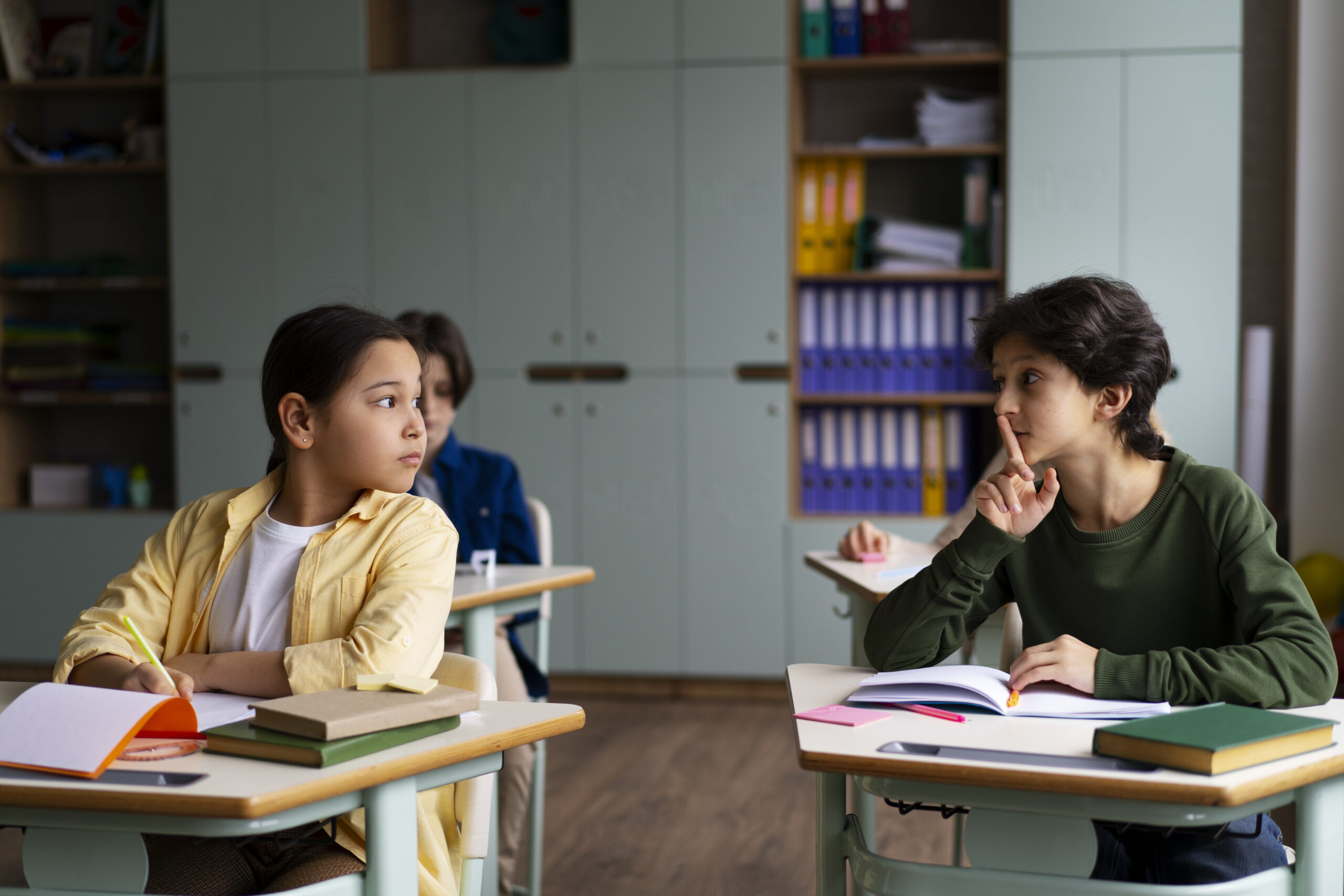
Teaching is a rewarding career. However, classroom management can be tough. Even experienced educators face daily challenges. Losing control feels frustrating and draining. You need reliable ways to maintain discipline in class. This post explores proven, simple techniques. These methods will help you regain student focus easily. We will cover the best approaches. A calm classroom begins with a positive classroom environment supported by school-wide systems. These are practical Class discipline strategies that truly work. They create a positive learning environment quickly.
Understand the Root of Misbehavior
Misbehavior is rarely random or simply defiant. It is often a signal about student needs. A student might seek attention from others. They could be avoiding a difficult task. Sometimes, they lack the skills to manage emotions. Your first step is to become a behavior detective. Observe the situation very carefully. Ask yourself what triggered this action. What outcome did the student really achieve? Understanding the cause helps you choose the right response. This proactive approach is key to student behavior management. Addressing the root cause prevents future issues.
Set Clear Rules and Expectations
A structured environment feels safe for students. Unclear boundaries invite testing and confusion. You must establish rules on day one. Make the rules visible and easy to understand. Keep the list short, maybe three to five rules. State them positively, focusing on what students should do. For example, use “Respect quiet working time” instead of “Don’t talk.” Discuss consequences upfront with students. Ensure they understand what follows rule-breaking. Post these expectations prominently in the room. Review them often, especially after breaks. Clear expectations are the foundation of effective classroom control.
Establish a Positive Teacher-Student Relationship
Relationships matter more than rules sometimes. Students behave better for teachers they respect. Show genuine care for their well-being. Greet students warmly as they enter your room. Spend small amounts of time connecting personally. Learn their interests and their unique struggles. Offer praise for effort, not just for achievement. A positive relationship builds mutual respect quickly. This trust is vital for maintaining discipline in class. Students are less likely to disrupt your class. They want to avoid disappointing a respected teacher. This is a core part of positive discipline strategies.
How Can You Maintain Discipline in a Classroom?
Maintaining discipline is an ongoing process. It requires consistency and constant effort. Use your established rules every single day. Do not ignore minor misbehaviors at all. They can escalate quickly if left alone. Be fair and always remain completely objective. Do not take any misbehavior personally. Focus on the behavior, not on the student’s character. Maintain a calm and steady demeanor. Your calmness helps regulate student emotions. Consistency is truly the biggest success factor. Apply your consequences fairly to everyone. This builds trust in your class management techniques.
What are the Simple Ways to Maintain Discipline in Class?
Effective discipline does not need shouting or anger. Many simple discipline tips for teachers are subtle. They focus on prevention and smooth redirection.
Keep Students Engaged
Boredom often causes major classroom disruptions. Ensure your lessons are always interesting. Use diverse activities and methods constantly. Incorporate movement and group work often. Keep the pace moving at a good rate. Students engaged in work will rarely misbehave. They simply don’t have the time to do so. This proactive approach is the best control method. When schools track student performance automatically, behavior patterns become easier to address early.
Use Non-Verbal Cues for Control
You do not always need to stop teaching. Non-verbal signals are highly powerful tools. Use “the look”, a direct, steady eye contact. Move closer to the disruptive student quietly. A hand gesture can signal “stop talking now,” and a small tap on the desk works perfectly well. These subtle cues are quick and very efficient. They correct behavior without disrupting the entire class. Mastering these non-verbal teacher discipline techniques saves time.
Apply Fair and Consistent Consequences
Consequences must always be predictable and fair. They are not about punishment, but about learning and teaching students accountability for their actions. Follow through every single time. Do not make threats you will not enforce. The severity should match the student’s action. A small warning works for minor issues. More serious actions require a planned response. Use documentation for repeat problems. The entire process must be transparent for everyone. This reinforces your established Class discipline strategies.
What are the Best Discipline Techniques?
The most effective techniques are restorative ones. They focus on fixing harm, not just inflicting pain.
Prevent Before You Correct
Anticipate problems before they even start. For example, check student seating arrangements. Separate students who talk constantly. Give clear instructions before starting activities. Circulate the room actively during work time. Proximity often deters minor misbehavior effectively. This approach makes correction unnecessary. It is the core of smart classroom discipline methods.
Encourage Student Responsibility
Involve students in solving their own issues. Ask them, “What rule did your action break?” Ask, “What do you need to do now?” This promotes self-reflection and accountability. You are teaching them self-control skills. Empowering students is a powerful student behavior management tool. When they own the solution, it lasts longer.
Leveraging Advanced Strategies
Moving beyond simple tips involves deeper planning. This leads to truly lasting change.
Consistent Routines and Procedures
Routines minimize confusion and chaos greatly. Establish a procedure for everything you do. How do they enter and then exit the room? How do they turn in their classwork? Where do they sharpen their pencils? Practice these routines until they become automatic. Smooth transitions keep students focused completely. This structured environment helps maintain discipline in class.
Differentiation in Discipline
Remember that one size rarely fits all. A technique that works for one student might fail for another. Be flexible and adapt your responses quickly. Some students respond well to private talks. Others benefit from small behavior contracts instead. This requires truly knowing all your students well. Being adaptive is an advanced Class discipline strategy.
Final Section: Master Your Classroom Control
Effective discipline is truly a journey, not a fixed destination. It requires patience and relentless consistency. Start small with one or two new techniques. Focus on building strong relationships first, always. Implement clear rules and consistent follow-through. By using these positive discipline strategies, you succeed. You will quickly build a respectful classroom culture. This strong foundation will help you enjoy teaching more. You can track school functions easily and focus on learning. Embrace these simple discipline tips for teachers today.
FAQs About Classroom Discipline
1. What is the most common mistake teachers make?
Inconsistency is the biggest mistake made. Letting small infractions slide happens often. This communicates that rules are not important. Be fair and follow through constantly.
2. How long should it take to see improvements?
You should see small improvements almost immediately. Major, lasting change takes time and weeks. Commit to being consistent for at least one month.
3. Should I use rewards for good behavior often?
Yes, absolutely use positive reinforcement. Focus on praising effort and good choices. Rewards can be simple, like verbal praise or positive notes. This reinforces great student behavior management.
4. How do I handle a persistently disruptive student?
Document every incident first. Consult with a colleague or a principal next. Involve the student’s parents right away. You may need a formal behavior plan.