



How Can I Get Real-Time School Reports to Make Better Decisions Faster?
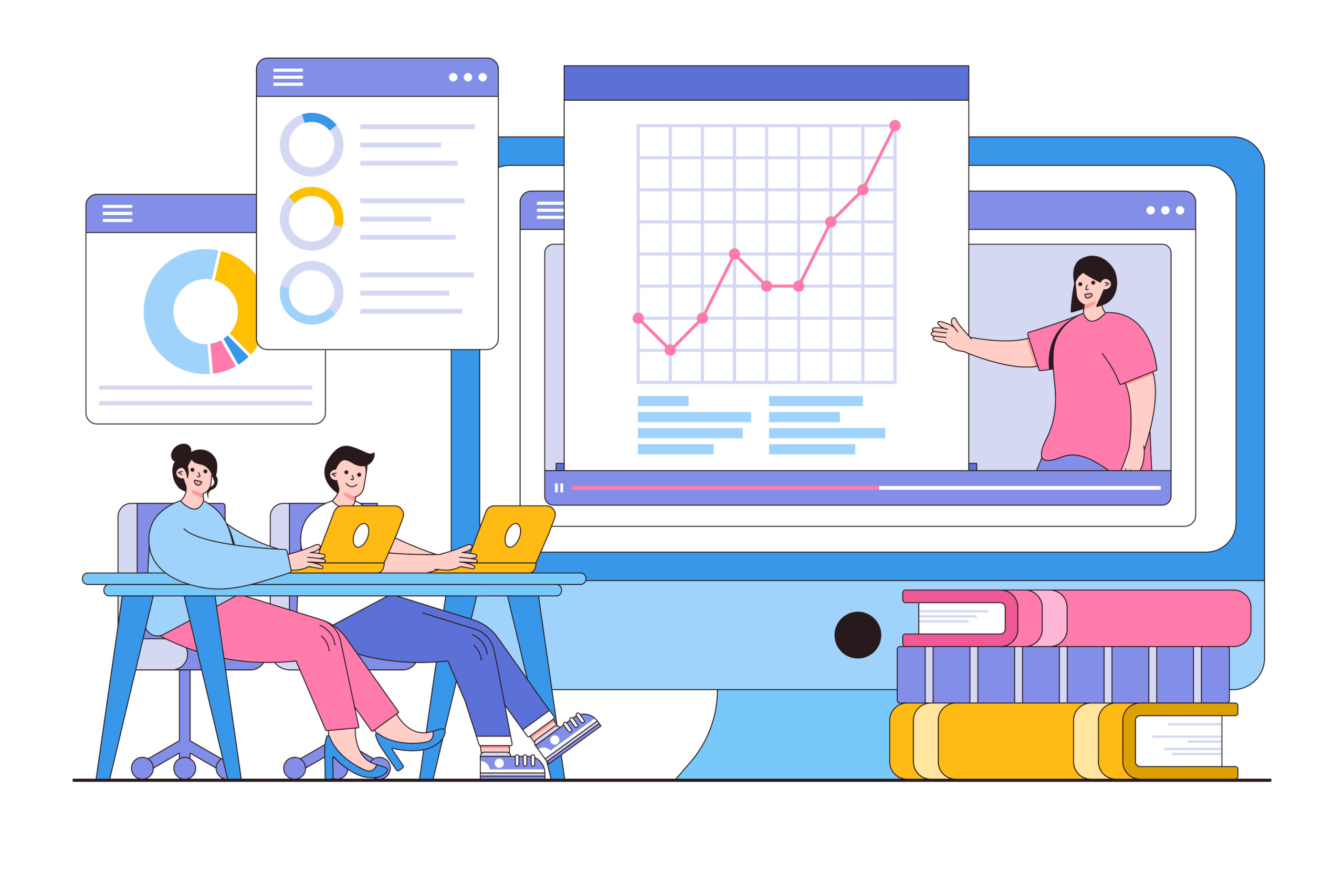
In education, timing is truly everything. Every hour counts in a student’s day. Decision-making needs speed and accuracy now. Relying on old data is a major risk. Delayed reports lead to late interventions. We need to identify problems immediately. We must act before small issues become big. I used to wait days for test score summaries. That lag costs students precious learning time. I knew we needed a faster, better way. The solution lies in digital technology. It provides real-time school reports easily. This immediate access transforms management. It gives leaders powerful new insights. This blog explores this vital shift. Learn how instant data creates success. We can lead with speed and precision.
Why Real-Time Reports Matter
Think about the world outside school. Businesses rely on immediate information. Stock markets move based on instant data. Hospitals monitor vital signs continuously now. Education deserves the very same power. Student success hinges on quick support. If a student is struggling, we need to know fast. Waiting even a week is simply too long. Interventions must start right away. This is the heart of effective leadership. It is about predictive analysis. We can spot trends before they fully solidify. We can reallocate resources quickly then. This responsive management saves money. It certainly saves learning time, most importantly. Real-time school reports give us this edge. They eliminate unnecessary guesswork and allow for true data-driven school decisions. This ensures maximum positive impact. It moves us from reactive to proactive leading. This efficiency is truly invaluable. Instant school performance updates are key. They allow us to serve students best.
The Problems with Manual or Delayed School Reporting
The old reporting methods caused many issues. Everything took too much time and effort. Teachers spent hours compiling spreadsheets. Data was often entered incorrectly later. Manual processes are prone to human error. The information was stale upon delivery. By Tuesday, the Monday report was old news. This delay caused wasted resources. Imagine a teacher needs immediate help. A class behavior issue is getting worse daily. The administration hears about it next week. That delayed response hurts the whole class. Delayed financial reports cause huge problems. Budget overruns are spotted very late. This makes quick correction almost impossible. Slow systems hinder student placement. Making enrollment decisions takes too long. This creates backlogs and major frustration. These fragmented systems waste staff time significantly. Valuable effort goes into data collection. It should be spent analyzing and acting instead. Slow reporting equals slow decision-making. We cannot afford these major bottlenecks. A modern school reporting system fixes this well.
What Real-Time School Reports Actually Offer
Modern reporting gives a complete picture. It offers current, dynamic information. A good system provides a school analytics dashboard. This visual tool summarizes everything fast. You see student attendance live daily and can track discipline referrals. Grade books update immediately upon entry. This allows for real-time academic tracking easily. You can monitor lesson plan completion well. Financial metrics are visible immediately. You see budget versus actual spending. The reports are highly customizable and quick. You can filter data by teacher or grade and can easily compare different classes. This real-time school data is powerful. It allows for deep drill-down analysis fast. You can identify specific areas needing help. For example, which fifth-grade class struggles most? Which specific topic causes the most errors? This level of detail is transformational. It moves reporting far beyond simple scores and enables true school progress monitoring easily.
Benefits: Making Better Decisions Faster
The greatest benefit is increased speed. Fast data enables faster, better actions. For students, this means quicker support. An intervention can start the next day. For teachers, it means targeted support. Professional development can be customized quickly. Leaders see which resources are working well. They can duplicate successful programs and stop wasting effort on ineffective programs. Budgeting becomes more accurate and flexible. Funds are moved to high-need areas. Enrollment management is vastly simplified. Decisions about class size are immediate now. Overall efficiency increases greatly. The entire school operates more smoothly. Real-time school reports create confidence. Leaders can defend decisions using hard data. This proactive management builds public trust well and transforms leadership into an exact science.
How Digital Reporting Tools Work
Digital reporting relies greatly on integration. A central system collects all the data. This could be an SIS or an LMS now. Teachers enter data directly into the system. Grades, attendance, and notes are logged live. The system then automatically analyzes data. It generates key metrics instantly, then. These metrics appear on the school analytics dashboard. The data is constantly being refreshed, and the dashboard is accessible via a secure link. Leaders can log in from any location easily. Mobile apps allow viewing reports on the go. This constant flow eliminates all manual steps. It ensures that the information is always fresh. This technological process is truly seamless. It is what makes real-time school data possible.
What to Look for in a Real-Time School Reporting System
Choosing the right system is crucial now. Look for ease of use first. Teachers must find it simple to use daily. Integration capabilities are also vital now. Does it talk to your existing software easily? Security and privacy must always be paramount. Student data needs strong protection. The dashboard must be visually intuitive. Data should be easy to understand. Customization options are essential features. You need to tailor reports to your needs. Look for robust technical support. Training and help should be readily available. Finally, check the total cost of ownership. This system is an investment in your future. It is the foundation for data-driven school decisions.
FAQs
- Is “real-time” truly live, or is there a short delay?
It means near-instantaneous updating always. Data appears within minutes of being entered.
- Can parents access these real-time reports directly?
Some systems offer parent portals for access. Access is usually limited to their own child’s data.
- Do these systems require extensive staff training?
Yes, initial training is essential for adoption. The interface should be simple to learn quickly.
- What is the biggest challenge when implementing this system?
Getting staff to enter data consistently is tough. Consistency ensures quality real-time school data.
5. How often should leadership review the analytics dashboard?
Key leaders should review the dashboard. This ensures school progress monitoring is active.
- Does this help me with official government compliance reports?
Yes, the system can automate many compliance reports. This saves the administrative team more time.
- What if my school is too small to afford a full school reporting system?
Look for integrated, modular SIS options first. There are scalable, affordable solutions available.