
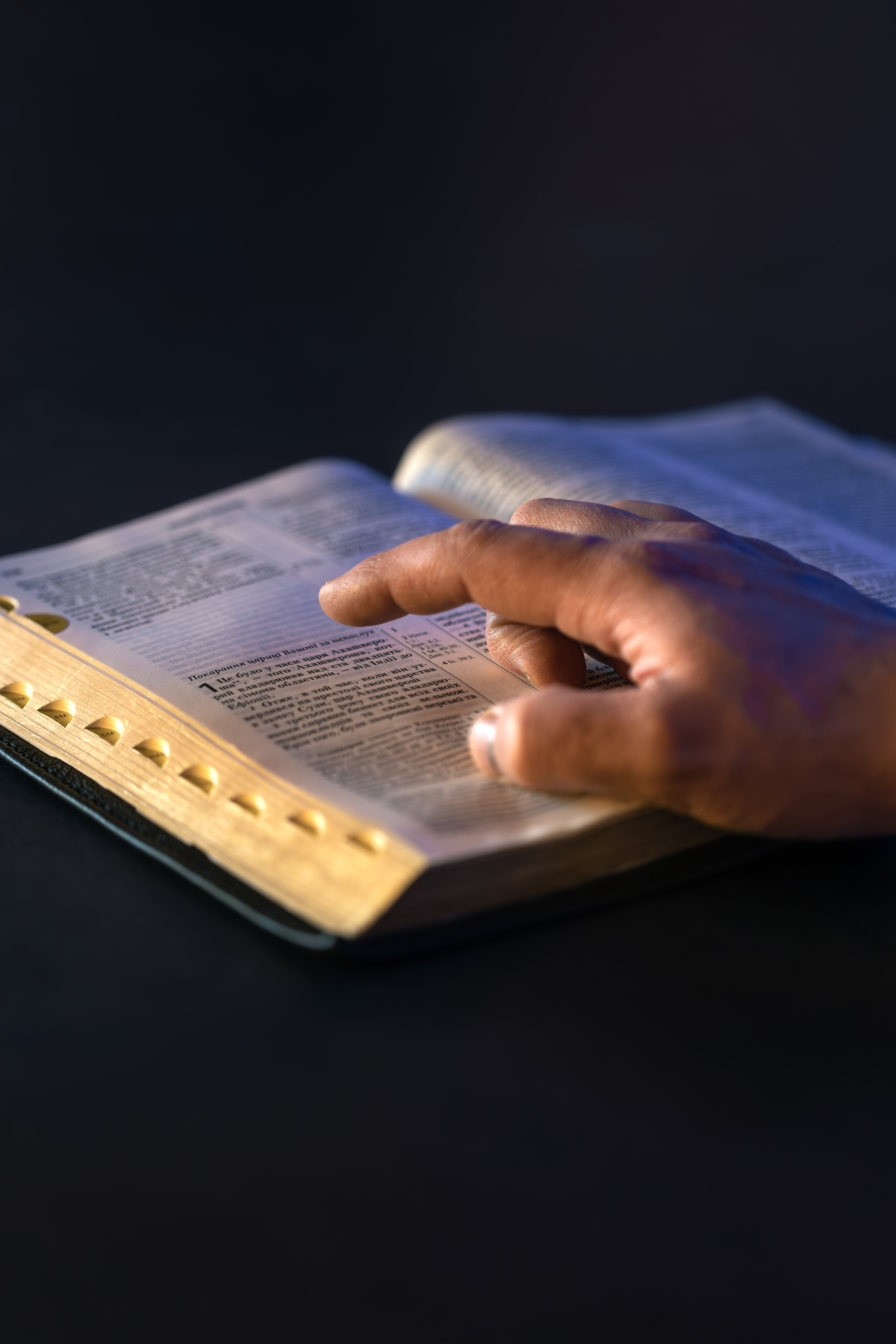

01 Acts 13 01-03 THE COMMISSIONING OF BARNABAS AND PAUL 01 Acts 13 01 Exercising of God given gifts
📖 Acts 13:01-03
01 – Sat, 15 Feb 2025 – *Exercising of God given gifts* - _Acts 13:01-03_ – THE COMMISSIONING OF BARNABAS AND PAUL – _Romans 12:06-07_
_Acts 13:1 Now in the church that was at Antioch there were certain prophets and teachers: Barnabas, Simeon who was called Niger, Lucius of Cyrene, Manaen who had been brought up with Herod the tetrarch, and Saul._
The church in Antioch was truly a hub for the growth of the Gospel. We have seen how the church in Jerusalem facilitated the church's growth in Antioch.
_Acts 11:20-24 But some of them were men from Cyprus and Cyrene, who, when they had come to Antioch, spoke to the Hellenists, preaching the Lord Jesus. (21) And the hand of the Lord was with them, and a great number believed and turned to the Lord. (22) Then news of these things came to the ears of *the church in Jerusalem, and they sent out Barnabas to go as far as Antioch*. (23) When he came and had seen the grace of God, *he was glad, and encouraged them all that with purpose of heart they should continue with the Lord*. (24) For he was a good man, full of the Holy Spirit and of faith. And *a great many people were added to the Lord*._
The church in Jerusalem consisted of Jews who were from Judea as well as Hellenist Jews. Whereas, the church in Antioch was even more diverse.
_Acts 13:1_ mentions five individuals who were prophets and teachers at the church in Antioch: Barnabas, Simeon called Niger, Lucius of Cyrene, Manaen who had been brought up with Herod the tetrarch, and Saul (who later became Paul). Their names and backgrounds provide us with some insights into the diversity and significance of the early Christian community.
*Barnabas* was a Levite from Cyprus. His name means "son of encouragement" or "son of consolation" in Aramaic.
*Simeon called Niger*: "Niger" means "black" in Latin, which suggests that Simeon was of African descent. There was ethnic diversity within the early church community.
*Lucius of Cyrene*: Cyrene was a city in North Africa (modern-day Libya). Lucius' presence further highlights the geographical and cultural diversity of the early church.
*Manaen* is described as having been brought up with Herod the Tetrarch (Herod Antipas), which implies that he had connections with the political elite. This suggests that the early church included individuals from various social strata.
*Saul (Paul)*: Saul, later known as Paul, was a well-educated Jew from Tarsus.
The inclusion of these diverse individuals in the leadership of the church, as prophets and teachers, demonstrates the early church's emphasis on unity and inclusivity across different ethnic, cultural, and social backgrounds. This diverse leadership helped the church to grow and reach a wide range of people.
What a wonderful mosaic of people in the early church. They were all learning and growing together. Each of them brought their unique characteristics into the church and at the same time, they were of one heart and mind.
If this was how it was with the early church, should we have difficulty having the same ethos in our churches today? We should not, and we can praise God that we do see togetherness in our current-day churches. There is also much room for growth in this area.
Prophesy and teaching were the two gifts that were prominently in practice in the early church at Antioch. Barnabas and Paul had the privilege of witnessing, first-hand, the impact of the expression and exercise of these gifts in the life of the church.
_Acts 11:25-26 Then Barnabas departed for Tarsus to seek Saul. (26) And when he had found him, he brought him to Antioch. So it was that for a whole year they assembled with the church and taught a great many people. And the disciples were first called Christians in Antioch._
It was a divine unction from God to make Barnabas go to Tarsus and bring Paul to join with him in ministering at Antioch. This is an example of a prophetic move of God. We can see the impact of this prophetic action of Barnabas, in history. These are the prophetic moves of God. These will happen suddenly.
Barnabas was sent to Antioch to encourage the church which was Barnabas’s gift. Barnabas knew that the church in Antioch needed more than just encouragement. Many were being added to the church and they needed teaching from God’s word. He knew Saul to be a good teacher and this was a prophetic move to bring Saul to Antioch. They together taught the church.
The teaching in the church at Antioch was so effective that new believers graduated to become witnesses for Christ. People outside the church saw Christ in them, and they called them ‘Christians’.
It was this experience of Barnabas and Paul, with the church at Antioch and other places, that qualified Paul to say, _Romans 12:6-7 Having then gifts differing according to the grace that is given to us, let us use them: if prophecy, let us prophesy in proportion to our faith; (7) or ministry, let us use it in our ministering; he who teaches, in teaching;_ / _I Corinthians 12:28 And God has appointed these in the church: first apostles, second prophets, third teachers, after that miracles, then gifts of healings, helps, administrations, varieties of tongues._
```We must exercise our God-given gifts for the building up of the body of Christ and the experience and fruit of this exercise will enable us to teach others to exercise their God-given gifts for the kingdom of God.```